
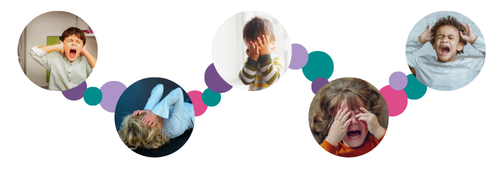
“Tantrums” aren’t something most parents enjoy dealing with. And, many of us have lingering negative effects of how adults reacted to our own childhood “meltdowns.” These unpleasant feelings mean that we often react to “tantrums” in the same unhelpful way that was modeled for us . . . unless we decide to change things. This is a chance to make such a change.
In the first post of this series, we’ll look at the old thinking about “tantrums” and more helpful — and accurate — reframes of this common childhood experience. In the remainder of the series I’ll share causes of “tantrums” as well as specific actions you can take when one of your kiddos is “melting down.”
Old Thinking
- Tantrums resulted from permissive parents and undisciplined kids.
- Tantrums need to be stopped – the sooner the better.
- Force (verbal or physical) is the way to get the child to “snap out of it.”
- Tantrums are ways children manipulate adults.
- Tantrums are negative (there’s no positive value in such outbursts).
New Understandings
- “Tantrums” will happen. These bursts of big emotion are part of the lives of almost every child.
- When your energy around a “tantrum” changes, you’re creating a different environment for your child (one that’s safer and more accepting). This shift helps your child move more smoothly and effectively through her/his emotional experience and get back to “normal.”
- A loving presence, understanding, and empathy create space for the child to release their emotions and calm themselves. Too many words from caregivers can actually increase a child’s stress.
- Big energy releases really have to do with our children and how they feel. Calling them “manipulative” or “willful” only makes the experience more stressful for everyone.
- These big energy releases can actually help a child get back to their best self. They are stress-release valves that bring children back into balance when they’re met with a supportive approach from caregivers.
In the next post we’ll review common reasons our kids “meltdown.”
Leave a Reply